Posted on 9/25/2026
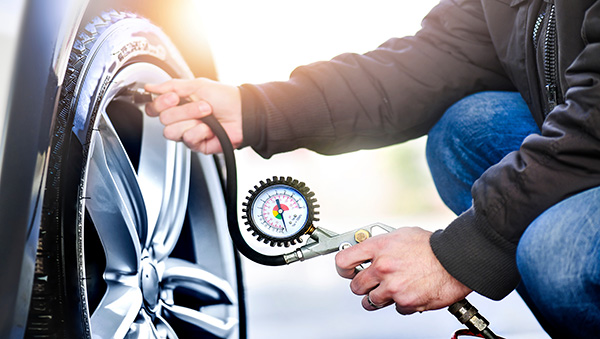
The first truly cold night of the season has a way of making tire pressure warning lights appear all over town. Your tires may have looked fine the day before, yet the next morning the TPMS light is glowing as soon as you start the car. In many cases, nothing suddenly broke overnight. The air pressure inside the tires simply dropped as the temperature fell. Cold weather can expose tires that were already a few pounds low, which is why this problem often shows up right after a sharp temperature drop. Cold Air Reduces Tire Pressure Air contracts as it gets colder. Inside a tire, that means the pressure drops when outside temperatures fall. A common rule of thumb is that tire pressure changes by about 1 PSI for every 10-degree Fahrenheit change in temperature. So if the weather drops 30 degrees overnight, a tire that was already close to the TPMS warning threshold may suddenly fall low enough to turn the light on. Your Tires May Have Been Slightly Low Already ... read more
Posted on 8/28/2026
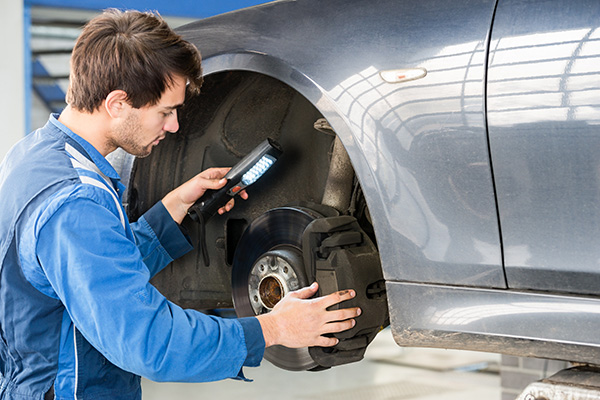
Brakes wear gradually, which is exactly why regular inspections are useful. A vehicle can still stop normally even when the pads are getting thin, a caliper is beginning to stick, or a rotor is developing uneven wear. Waiting until you hear grinding or feel a serious change in braking often means the problem has already become more expensive. For most drivers, having the brakes checked at least once or twice a year is a sensible approach. The exact timing depends on mileage, driving conditions, vehicle weight, and how quickly the brakes have worn in the past. A professional inspection is especially useful during tire rotations, seasonal service, or before a long trip. Mileage Is Only Part of the Picture Brake pads do not wear out at one universal mileage. A driver who spends most of the week on open highways may get far more life from a set of pads than someone commuting through stop-and-go traffic every day. Hills, towing, frequent short trips, heavier vehicles, a ... read more
Posted on 7/31/2026

A long drive can test everyone’s patience before the trip is even halfway over. Children get restless, passengers become uncomfortable, and the driver starts handling questions, snack requests, navigation changes, and complaints while trying to keep an eye on the road. A better trip does not require a perfect schedule or a car packed with entertainment. Most of the stress can be reduced by planning realistic breaks, keeping useful items within reach, and making sure the vehicle is comfortable before departure. A few thoughtful decisions can change the mood inside the car for everyone. Build Extra Time Into The Schedule Trying to cover a long distance without delays can make every restroom request or food stop feel like a problem. Children and passengers do not always follow the timetable you created at home. Leaving a little earlier gives everyone room to stop without the driver feeling pressured to make up lost time. Choose a few possible stopping points bef ... read more
Posted on 6/26/2026
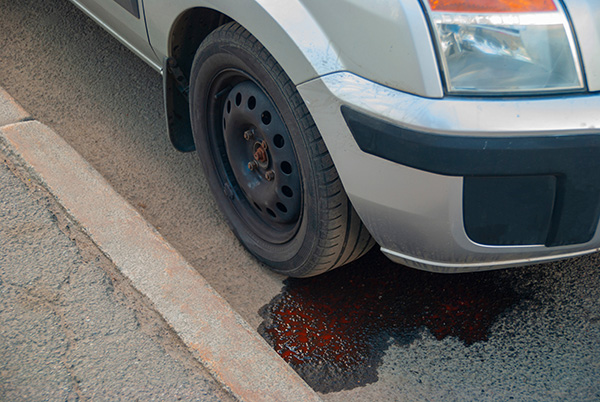
A power steering leak can start quietly. Maybe you hear a light whining sound when turning into a parking space, or the steering wheel feels heavier than it used to. The car still drives, so it is easy to put it off until the noise gets louder. Power steering problems usually get worse when fluid keeps leaking. The system depends on fluid pressure to help you turn the wheels with less effort. Once the level drops, the pump, hoses, rack, seals, and steering components can all be affected. Catching the leak early can help prevent a minor fluid issue from becoming a larger repair. What Power Steering Fluid Does Power steering fluid helps transfer pressure through the steering system. In a hydraulic system, the pump pressurizes the fluid, which helps the steering gear or rack move when you turn the wheel. Without enough fluid, the system cannot provide the same assist. The fluid also helps lubricate and cool parts inside the system. When the level is low, parts can run ... read more
Posted on 5/29/2026
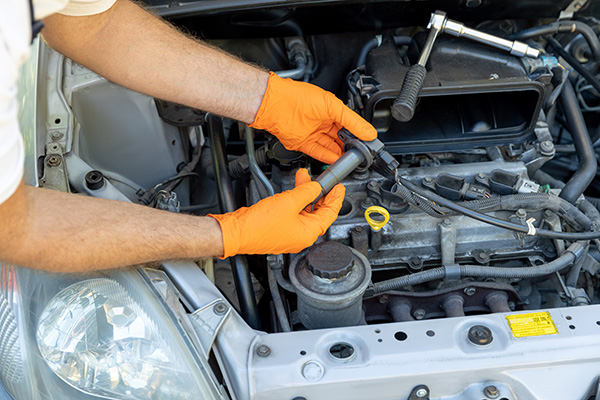
A misfire can feel obvious, or it can be sneaky. Sometimes the engine shakes at a stoplight like it wants your attention. Other times, the car only stumbles for one second when you climb a hill or press the gas to merge. That little stumble matters. A misfire means one cylinder is not burning fuel the way it should. Spark plugs and ignition coils are common causes, but a good mechanic does not start by throwing both at the car and hoping the light stays off. The job is to prove which cylinder is acting up and why. What A Misfire Feels Like Most drivers describe a misfire as shaking, hesitation, jerking, or a rough idle. It can happen when the engine is cold, once it warms up, under acceleration, or only at highway speed. The timing gives useful clues. A worn spark plug may show up more under load because the spark has a harder job when cylinder pressure rises. A weak ignition coil may act fine when cold, then fail once heat builds under the hood. If the check engi ... read more